

Food and Drinks
Strawberry-Centered Sweets
More


Visit Jison-in Temple, famous as “Women’s Koya”
Jison-in Temple is famous as "Women's Koya." It is a historic temple that is also famous as the entrance to the Koyasan Pilgrimage. This article introduces the highlights of Jison-in. Please refer to the access information for your visit.
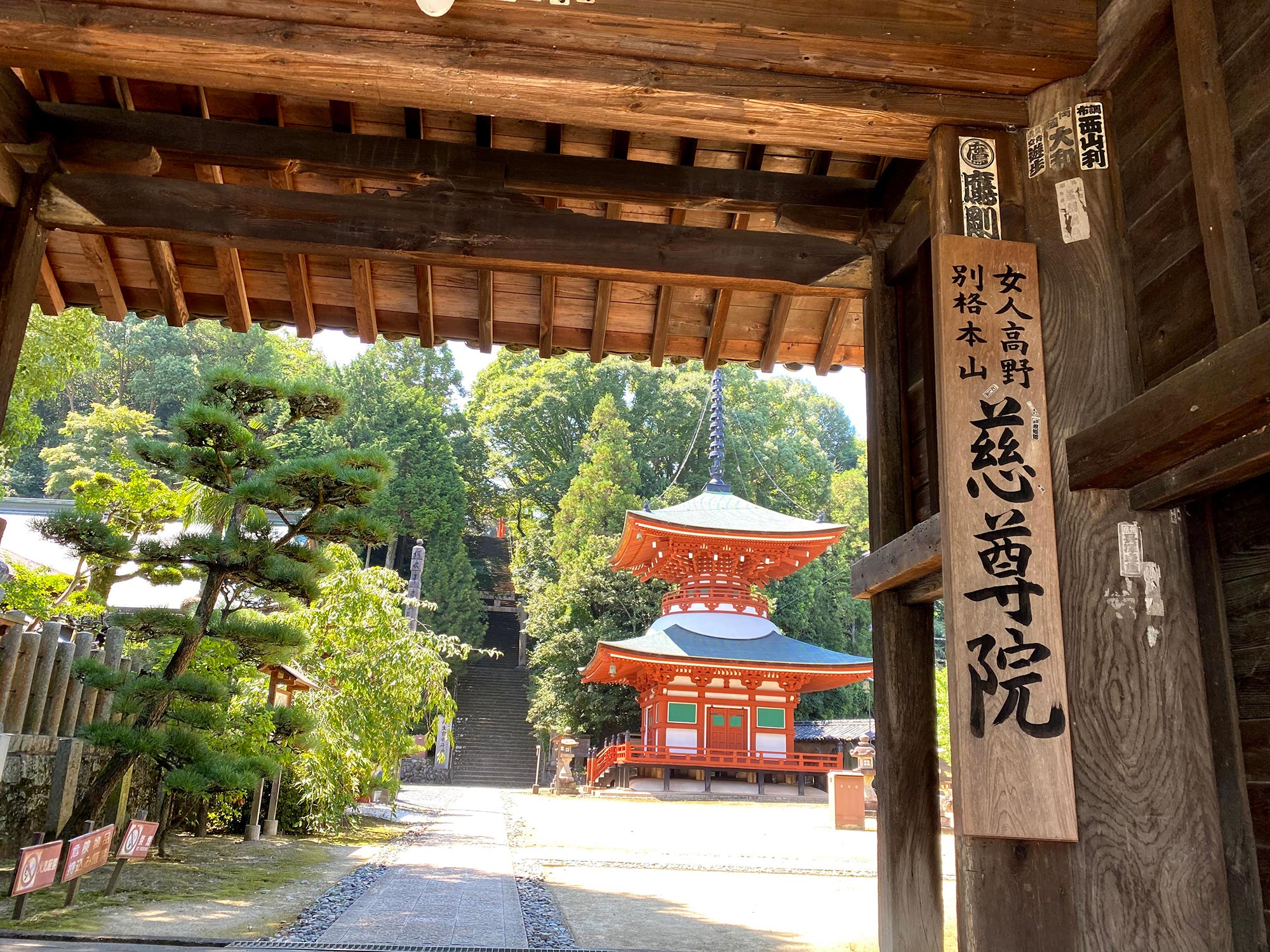
Jison-in Temple has long been known as the temple of Tamayori Gozen, the mother of Kobo-Daishi Kukai. It is also known as "Women's Koya," after the fact that women were forbidden to visit Koyasan.
The temple is visited by many women every day to pray for the safe delivery of children, child rearing, breastfeeding, and healing of illnesses, and to dedicate "breast-shaped ema," which is very rare in Japan.
Jison-in Temple is also said to be associated with the origin of the name Kutoyama. It is said that the temple was named Mt. Kudo because Kukai came to see his mother nine times (9 times) a month from Koya Mountain.
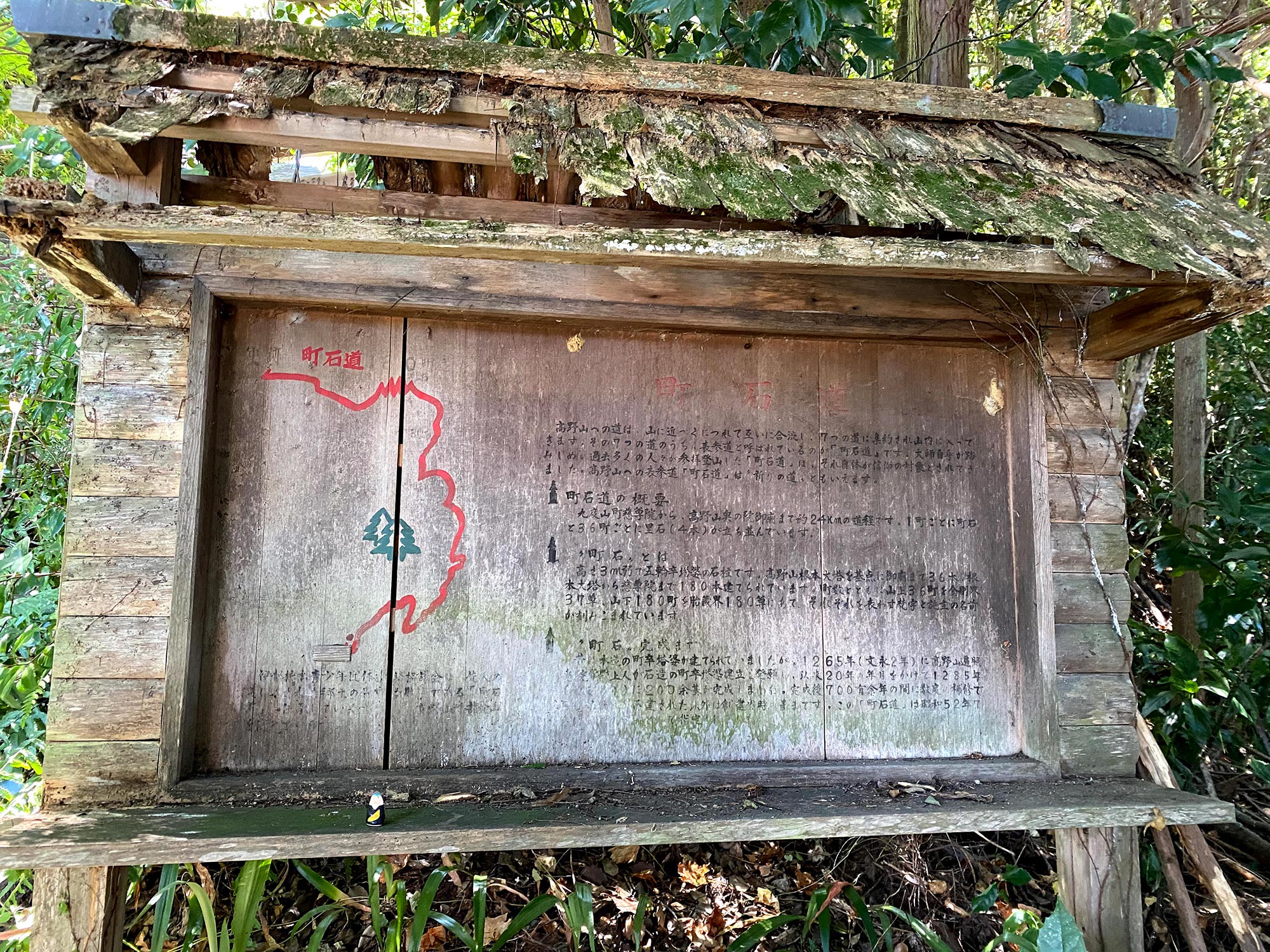
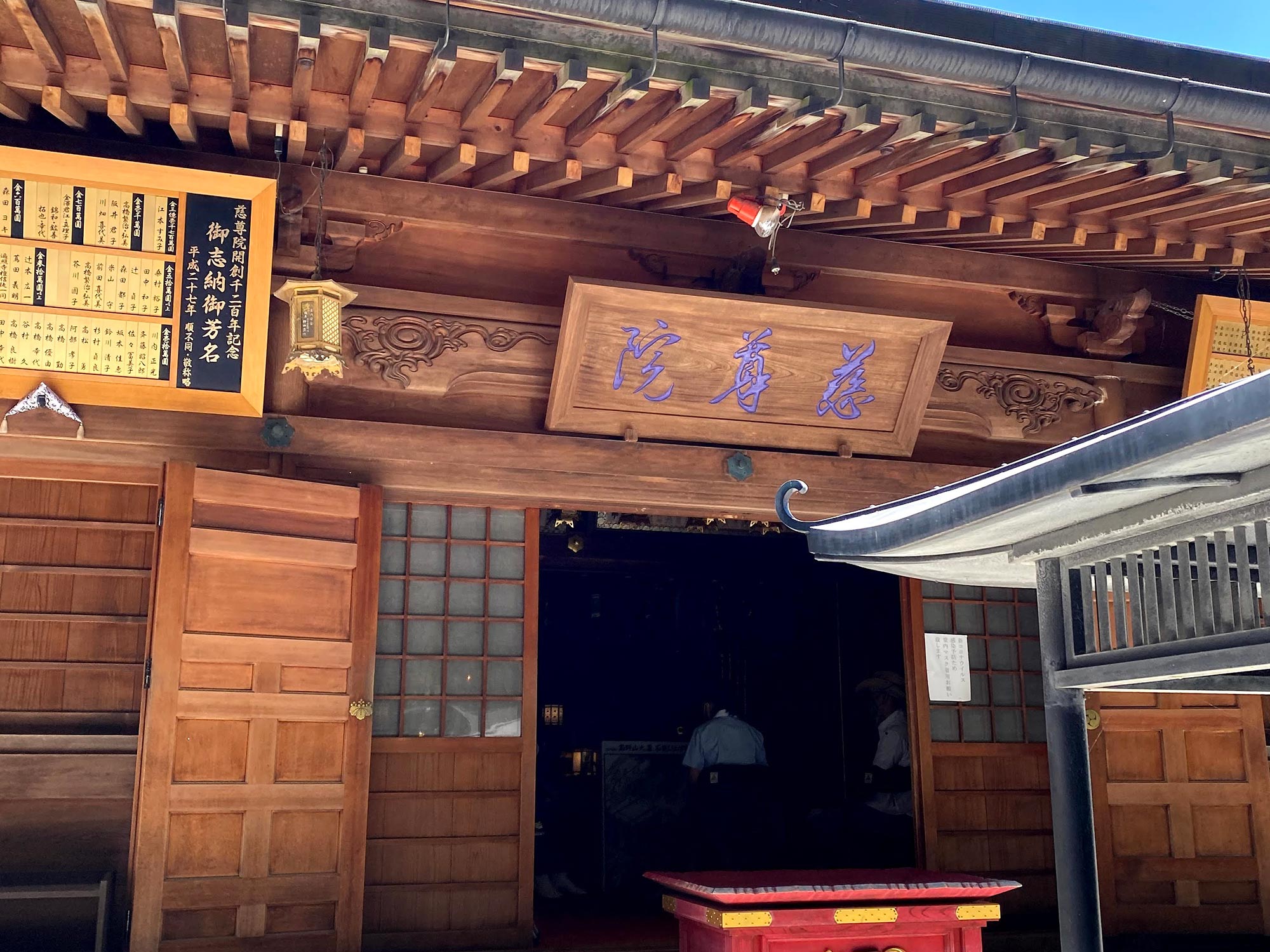
There are many such attractions at Jison-in Temple.
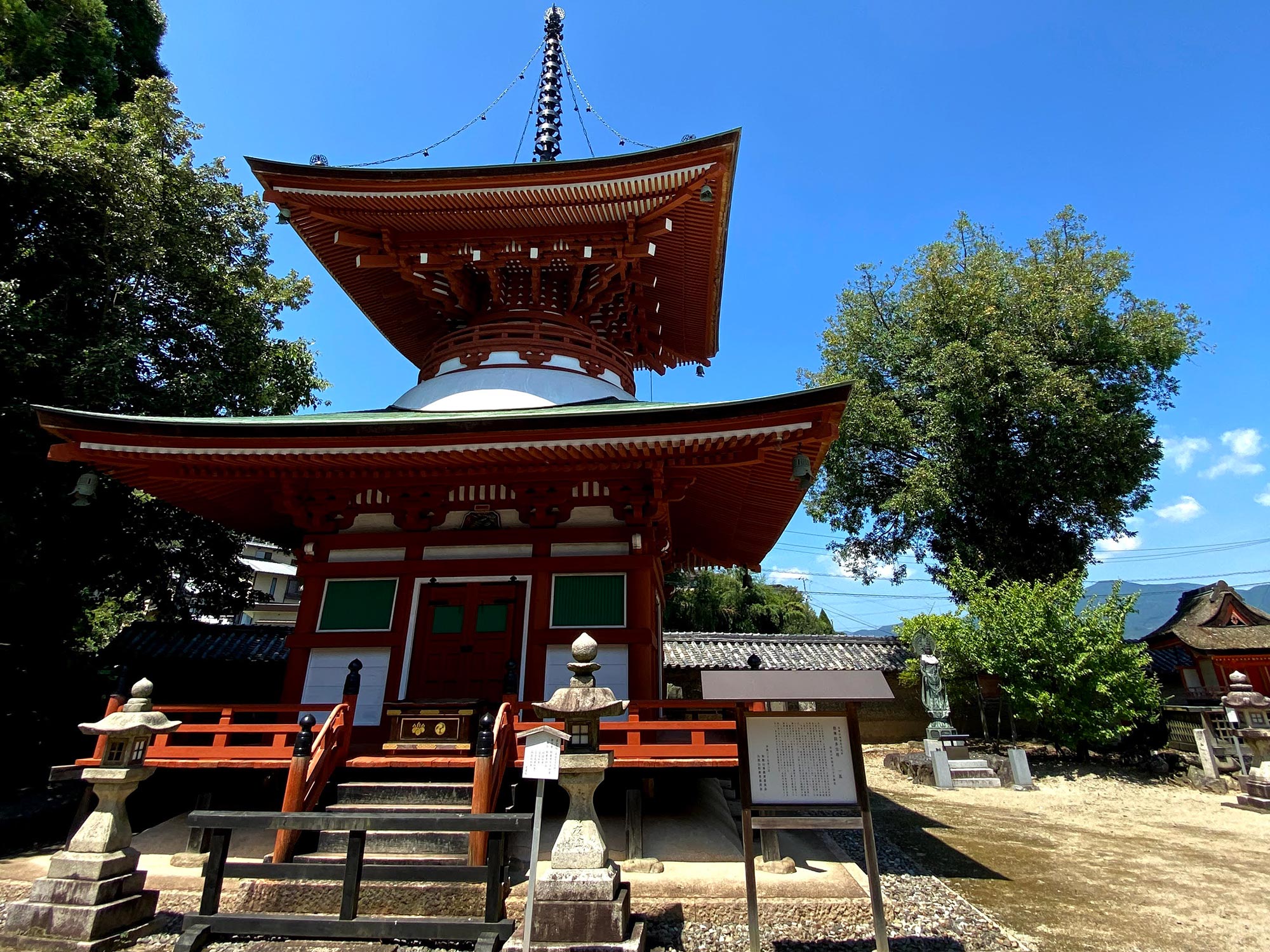
Taho-to Pagoda
The Taho-to Pagoda was founded by Kukai and rebuilt during the Kan'ei era (1624-1643). Also called Dainichi Pagoda after its principal deity, Dainichi Nyorai, it is registered as a cultural asset by Wakayama Prefecture.
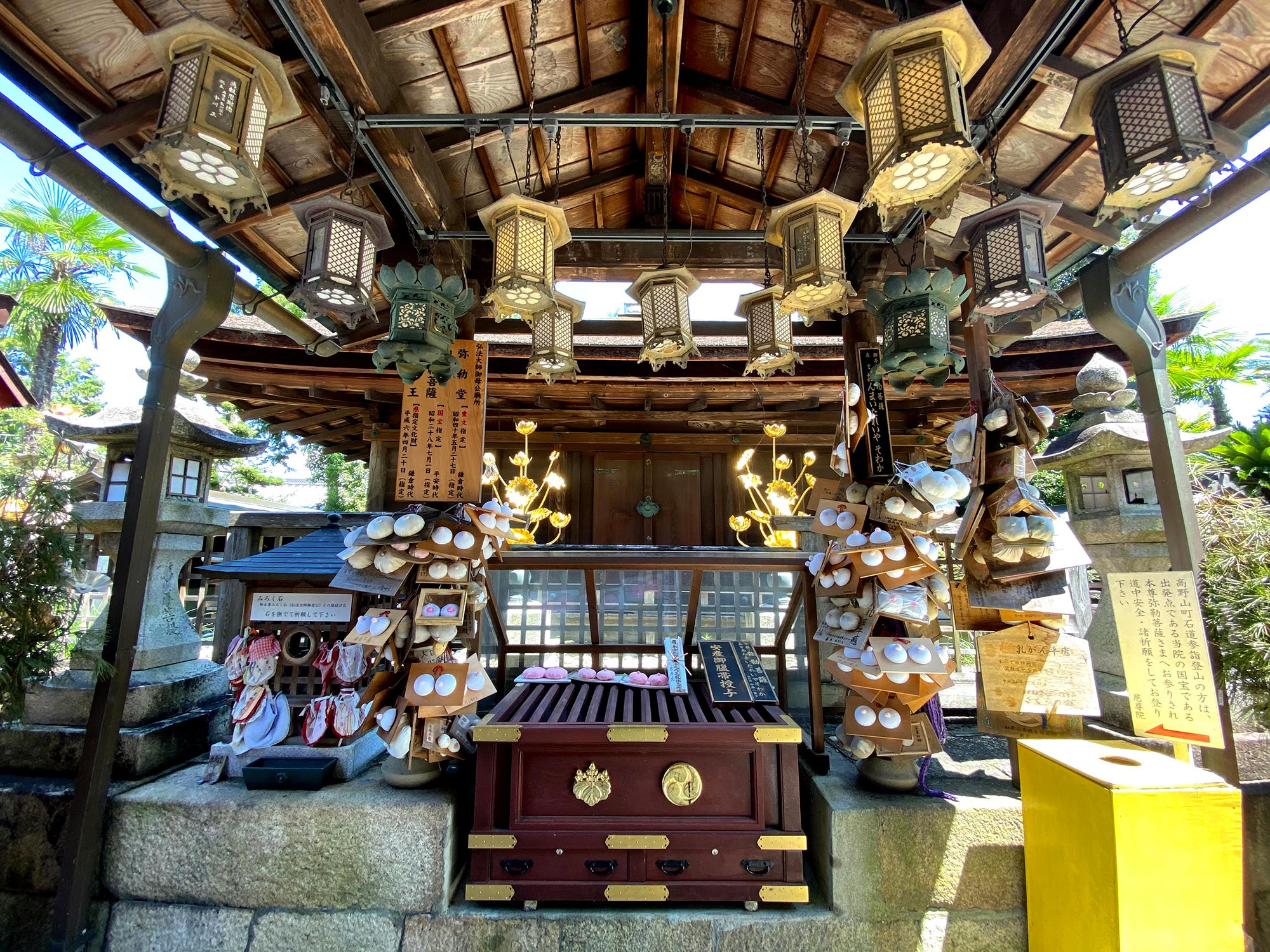
Miroku-do Hall
After the death of Kukai's mother, Tamayori Gozen, Miroku-do Hall was built as her grave. Many visitors come to the temple to receive blessings.
In the Miroku-do Hall, a seated statue of Maitreya Bodhisattva is enshrined, which Gozen deeply worshipped before her death. Designated a National Treasure in 1963, the seated statue of Maitreya is opened once every 21 years. The Miroku-do Hall was designated as an important cultural property in 1965. It is characterized by its low profile with a cypress bark roof, and retains the outlines of the late Heian period when it was built.
Mud wall
Designated as a cultural asset by Wakayama Prefecture. The precinct's perimeter spans approximately 250 meters on three sides, and is one of the oldest and thickest walls in the prefecture.
Gorintō(Two five-ring stone pagodas)
A designated cultural property of the town of Kudoyama. It was built in December of the first year of the Jouan Era (1171), when many sutra scrolls and tools were destroyed by arson by Keiko Shungen. It is located on the left side of the main gate.
Binzuru(Pindola Bharadvaja statue)
This is a statue of "Binzuru(Pindola Bharadvaja)" who actually existed as a disciple of Buddha. It is said to bring good luck if you caress the sore spot with your hand.
Jizo(Ksitigarbha statue)
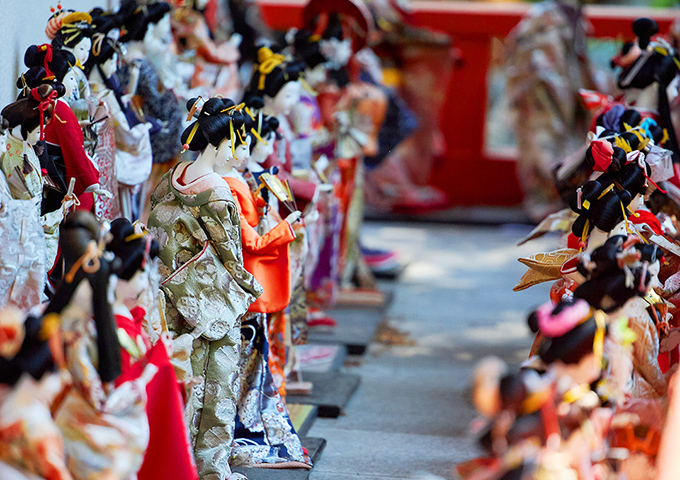
Next to the Miroku-do Hall, there are about 100 Jizo statues. Many visitors stop to look at the spectacular sight and put their hands together to receive blessings.
Fortunetelling stone
"Omokaruiishi(Fortunetelling stone)" is a stone that tells your fortune by its weight. Lift the stone, lower it, and make a wish. If the stone feels light when you lift it again and lower it, you have great luck. If it feels heavy, it is a small fortune.
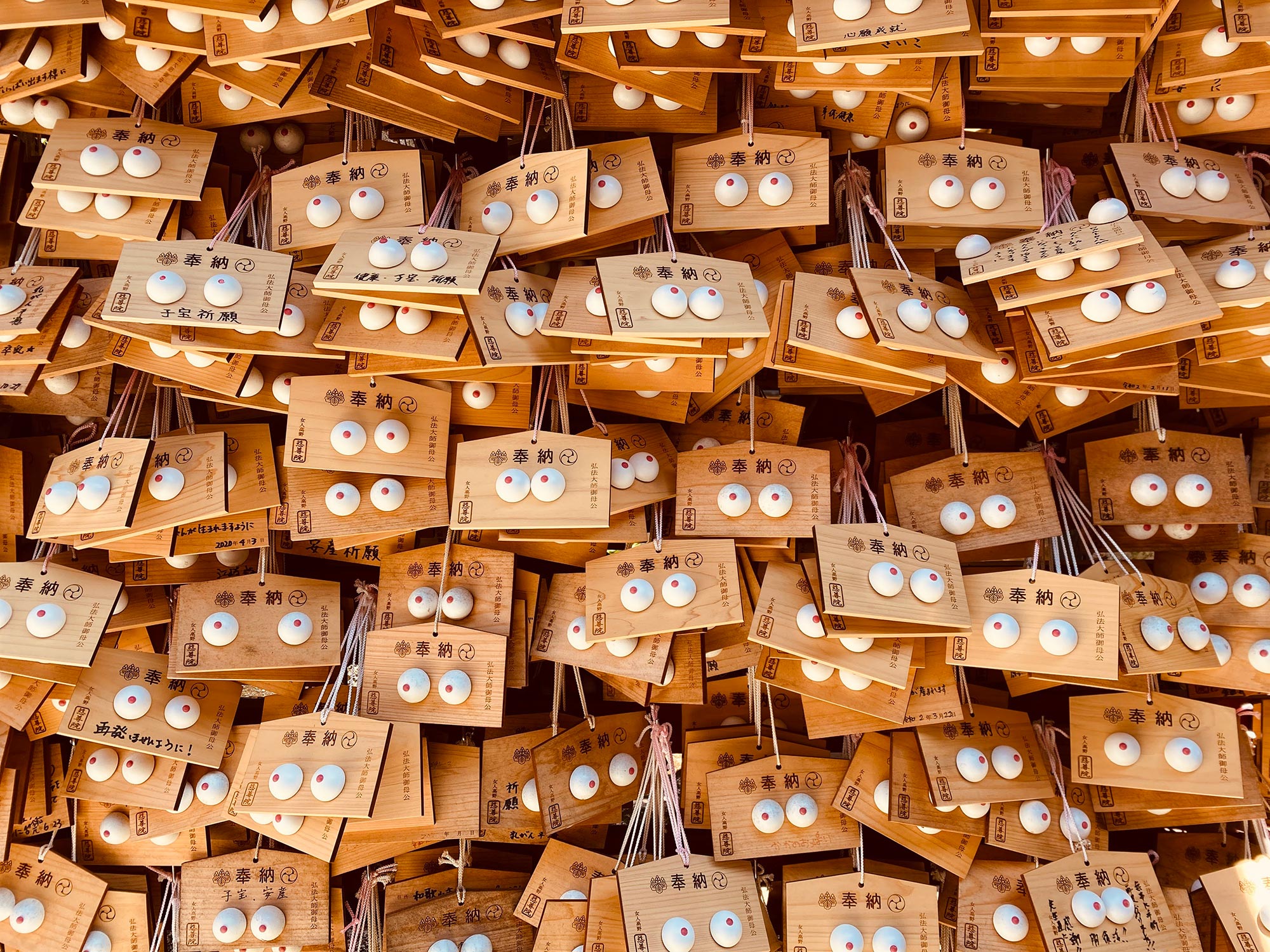
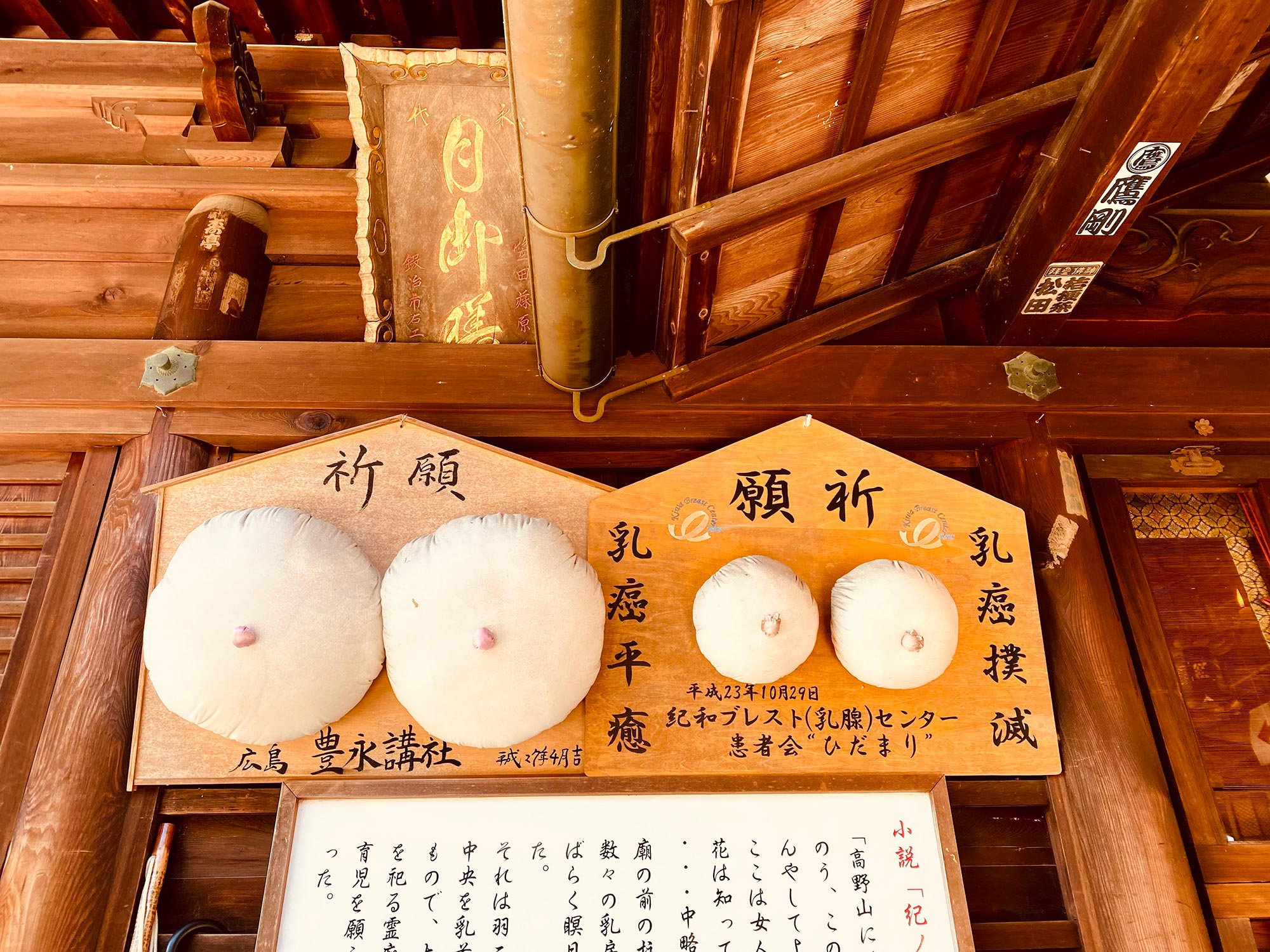
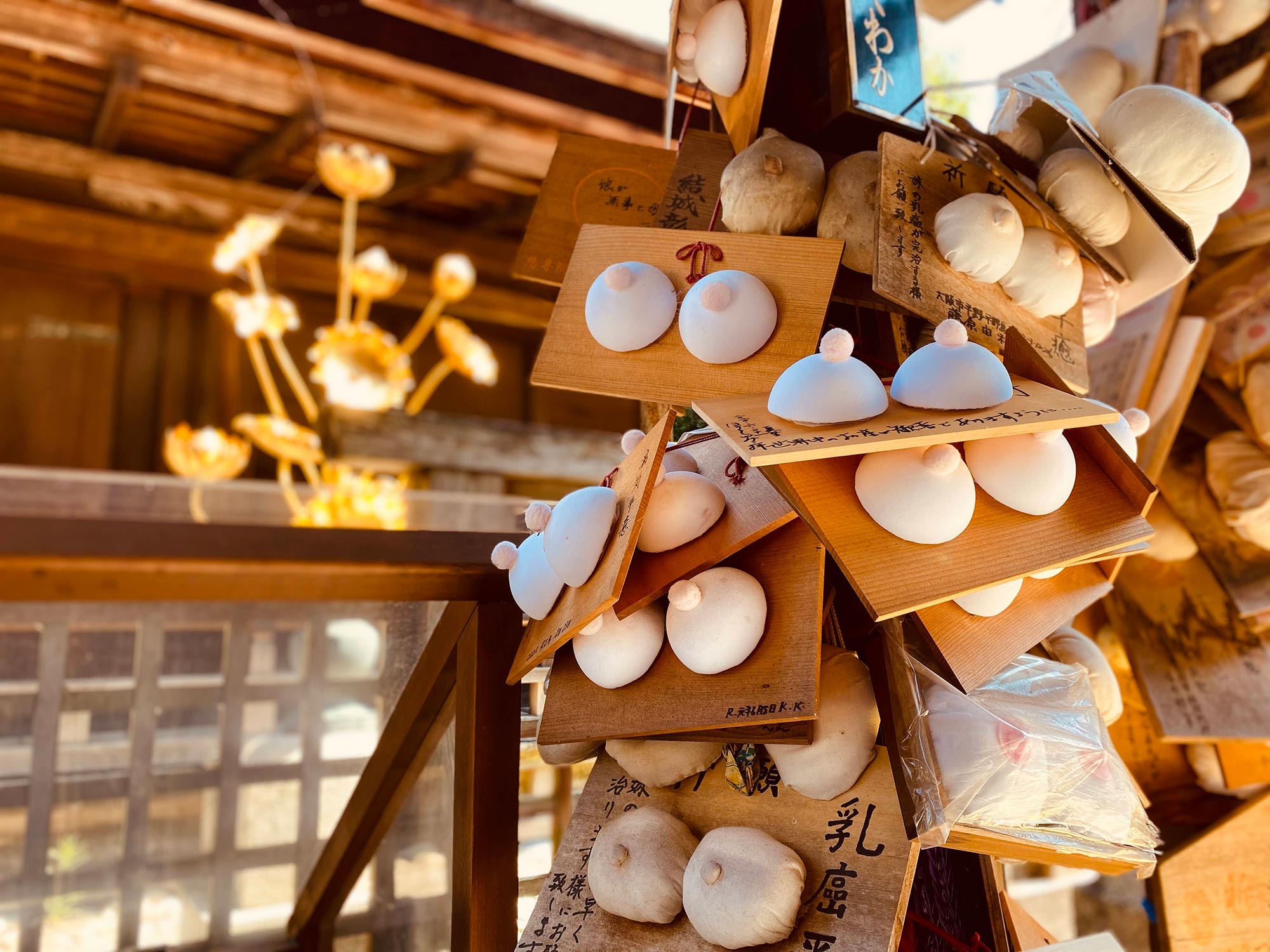
Breast-shaped ema (e.g. of a woman's breast)
"Breast-shaped ema" is popular among women. There is no end to the number of visitors who dedicate their ema and pray for the healing of children, safe delivery, childcare, breastfeeding, and illness.
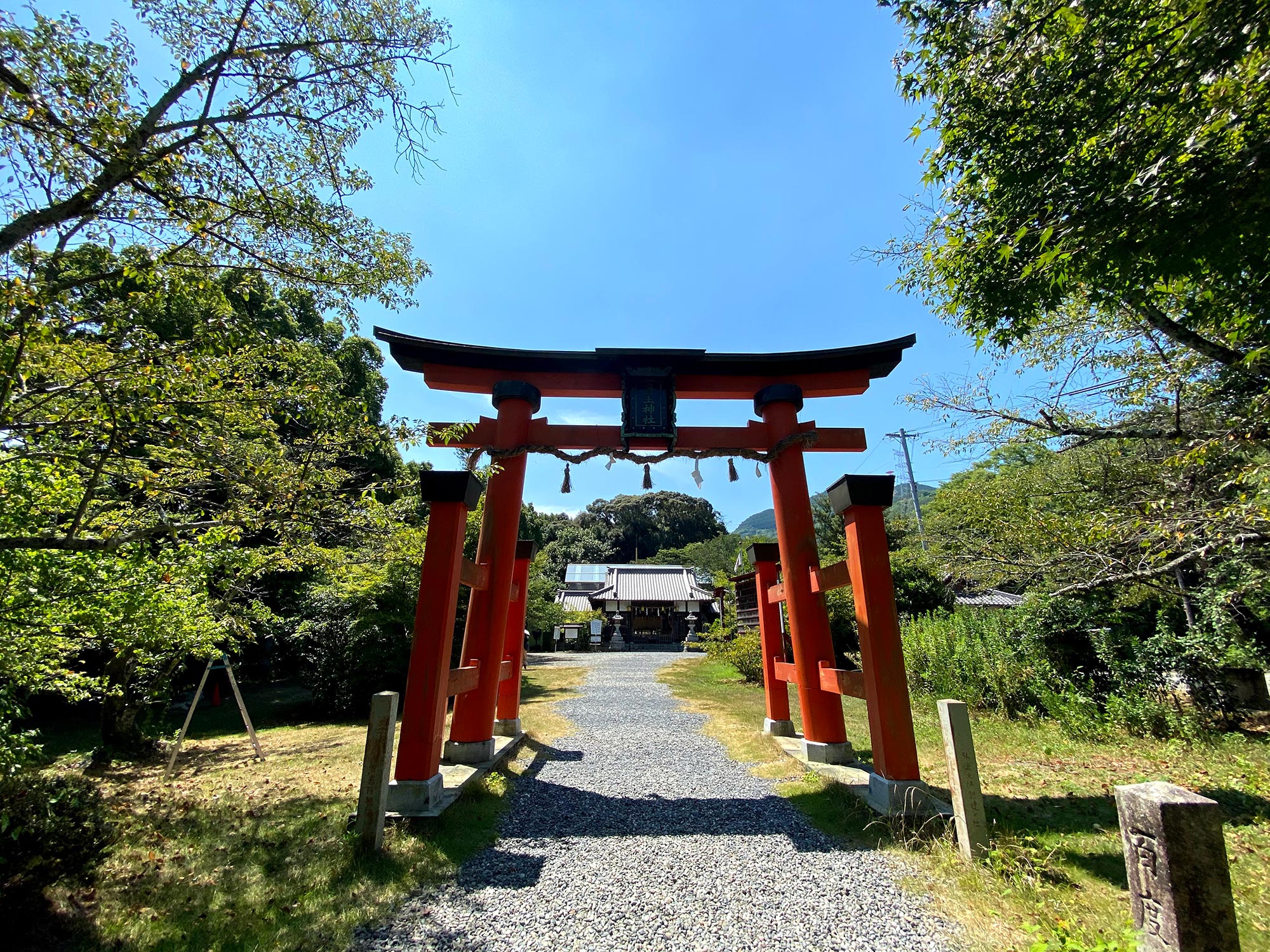
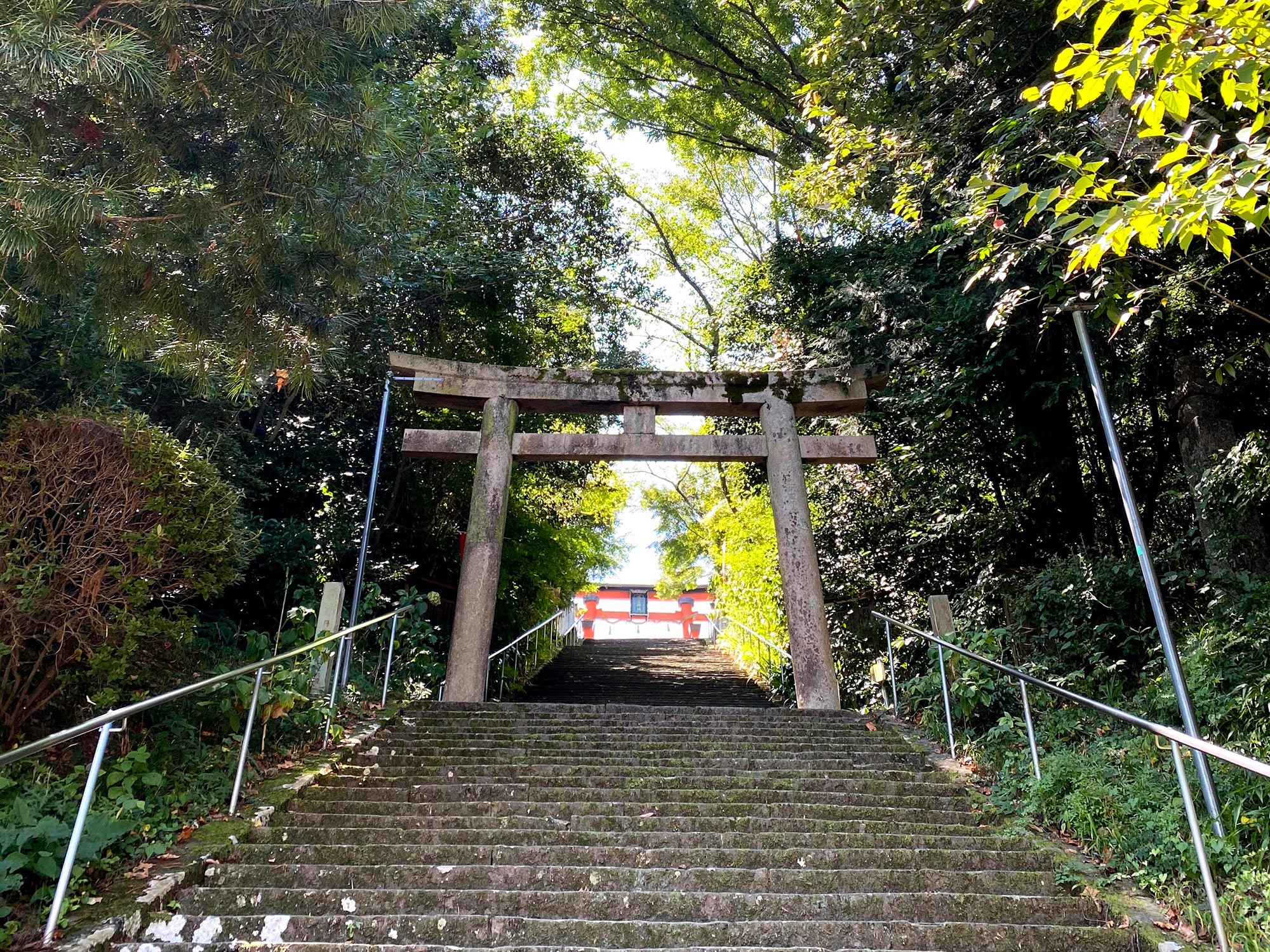
Jison-in Temple is popularly known as Women's Koya and is visited by many worshippers every day. There are many things you can only see here, such as the "Seated Maitreya Bosatsu (Maitreya Bodhisattva) Statue" designated as a National Treasure and "Breast-shaped Ema". When you visit Wakayama, please visit Jison-in Temple.